Buying a home is an exciting step that brings both opportunities and responsibilities. With so many options on the market, it helps to know what matters most as you evaluate each property. Looking beyond surface appeal and focusing on practical factors ensures that you choose a house that fits your lifestyle, budget, and long-term goals.
Location and Neighborhood
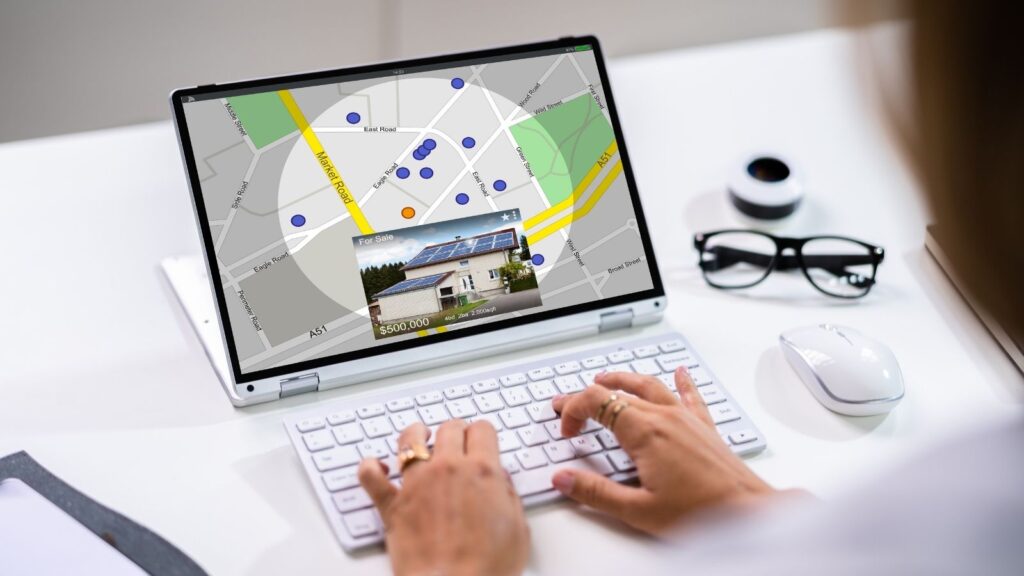
The location of a house plays a major role in shaping daily life and future value. Start by considering your commute to work, proximity to schools, access to grocery stores, and availability of medical facilities. A house that keeps essentials within easy reach saves time and makes life more convenient. Drive through the neighborhood at different times of day to see traffic patterns, activity levels, and overall atmosphere. A quiet street may appeal if you value peace, while a more active community might suit those who enjoy being near shops and dining.
Look closely at the condition of nearby homes, sidewalks, and public spaces, as these reflect the pride of the neighborhood. Research local crime rates to ensure safety and ask residents about their experiences living there. Check zoning laws and future development plans to avoid surprises, such as new construction that could change the feel of the area. Access to parks, playgrounds, or walking trails can improve quality of life, especially for families or pet owners.
Think about the neighborhood’s long-term potential. An area with growing job opportunities and strong schools tends to hold property values better. Even if you do not plan to move soon, considering resale value is wise. A desirable location can help your home remain competitive in the market later. Balancing personal comfort with practical factors allows you to choose a neighborhood that meets your present needs and supports your future goals.
Size and Layout
A home’s size is more than just square footage. The way space is arranged can greatly influence comfort and functionality. Start by evaluating how many bedrooms and bathrooms you need. Families often prefer multiple bathrooms to prevent morning bottlenecks, while individuals or couples may find one or two sufficient. Consider the number of living spaces and whether the home offers room for entertaining, working from home, or accommodating guests.
Look closely at the floor plan. An open layout can create a sense of spaciousness and make social gatherings easier, while more defined rooms provide privacy and quiet. Consider how the kitchen connects to the dining and living areas, as this is often the heart of the home. Storage matters too, so check for closets, cabinets, and additional areas like basements or attics. A garage can be valuable for vehicles, tools, or extra storage.
Consider how well the home’s size and layout meet your current lifestyle and how they might serve you in the future. For example, if you plan to expand your family or expect frequent visitors, extra rooms may be essential. If you work remotely, a dedicated office space can improve productivity. Remember that a well-designed, smaller home can feel more comfortable than a larger one with wasted or awkward space. Functionality and flow often matter more than raw square footage.
Evaluate whether the spaces feel natural and easy to use as you walk through the house. Imagine your furniture and daily routines in each room. By matching layout with lifestyle, you can ensure that your home supports comfort and convenience in the long run.
Structural Integrity and Condition
Cosmetic appeal matters, but the structure of a home is the true foundation of its value. Pay attention to elements that determine safety and long-term durability. Start with the roof, since replacement can be costly. Ask about its age and look for missing shingles or visible wear. Inspect the foundation for cracks or uneven floors, which may indicate shifting or settling. Check the condition of windows and doors to see if they open and close smoothly and provide good insulation.
Inside, water stains on ceilings or walls may suggest plumbing or roof leaks. Test floors for creaks or sagging. Examine basements or crawl spaces for signs of moisture, mold, or pest activity. Look at the siding and gutters to ensure proper drainage and exterior protection. While some issues may be cosmetic, others point to more serious concerns that affect both safety and value.
Hiring a professional home inspector is highly recommended. They have the expertise to uncover problems that a casual viewing may miss, such as electrical hazards, hidden leaks, or structural weaknesses. An inspection report provides peace of mind and may also give you leverage in negotiations if repairs are needed.
Remember that cosmetic upgrades like fresh paint or modern fixtures are easier to address later. Structural flaws, however, can require significant investment. By focusing on the condition of the home’s essential components, you ensure that your purchase is sound and that your investment is protected for years to come.
Systems and Utilities
A home’s systems are the backbone of daily comfort. Start with heating and cooling, as these greatly affect both comfort and cost. Ask about the type of system, its age, and its efficiency rating. A newer, energy-efficient unit may save money over time, while an outdated one could require replacement soon.
Plumbing should be reliable. Turn on faucets to check water pressure, and flush toilets to ensure proper function. Look under sinks for signs of leaks or water damage. Ask about the age of the water heater and whether it provides sufficient capacity for your household. Outdated pipes, particularly galvanized steel, may need replacement.
Electrical systems also matter. Ensure that the home has adequate outlets in convenient locations. Ask if the wiring has been updated to meet modern codes and can support today’s appliances and electronics. Outdated panels or insufficient circuits can create safety hazards.
Energy efficiency is another factor. Check insulation, window quality, and whether appliances carry energy-saving certifications. These features lower utility bills and contribute to comfort.
Understanding the condition of these systems helps you anticipate expenses. Replacing a furnace, water heater, or electrical panel can cost thousands. If systems are near the end of their lifespan, factor that into your budget or negotiations. Reliable utilities ensure that your home remains safe, comfortable, and efficient, supporting your household’s needs for years to come.
Outdoor Space and Lot Features
The property surrounding a home can be just as important as the structure itself. Start with the size and shape of the lot. Consider whether it offers enough space for children, pets, or gardening. A larger yard offers more possibilities, but it may also require more maintenance. Think about how much time and effort you are willing to devote to upkeep.
Look at how the land is graded. Proper drainage helps avoid water accumulation near the foundation, which may cause structural repairs. Check the condition of fences, decks, patios, and driveways. These features contribute to usability and curb appeal but can be expensive to replace.
Privacy also matters. Evaluate the distance between neighboring homes and whether landscaping or fencing offers seclusion. Noise levels from nearby roads or businesses may affect your enjoyment of the outdoor space. Consider how much sunlight the yard receives, as this influences both gardening and outdoor activities.
Pay attention to easements or shared boundaries. These may limit how you use certain parts of the property. If the home is part of a homeowners’ association, review rules about outdoor changes, such as adding a shed or pool.
Outdoor space enhances lifestyle and can add to resale appeal if it is functional and well-maintained. Whether you value room to relax, entertain, or grow plants, the lot features should support your priorities and fit comfortably into your lifestyle.
Future Value and Resale Potential
Even if you plan to live in a home for many years, considering resale potential is wise. Neighborhood quality is one of the strongest predictors of value. Homes in areas with good schools, job growth, and convenient amenities often retain or increase in worth. Research whether the neighborhood is growing or declining and whether nearby development will add or detract from appeal.
The home itself should also align with common buyer preferences. For example, three-bedroom homes with two bathrooms often sell more easily than homes with fewer. Open layouts, updated kitchens, and energy-efficient features appeal to a broad range of buyers. A home that is either much larger or much smaller than others in the neighborhood may face challenges at resale.
Upgrades and improvements can also affect value. Modern kitchens, updated bathrooms, and well-maintained outdoor spaces often provide good returns. Energy-efficient windows, new roofing, or upgraded systems can reassure future buyers about long-term durability.
Market conditions influence resale, but choosing a home with strong fundamentals increases the likelihood of maintaining value. While it is important to buy a home that suits your personal needs, thinking about how it will appeal to others later protects your investment. A balance between comfort now and marketability later creates confidence in your choice.
Budget and Affordability
A home should fit comfortably within your financial means. Include the mortgage payment, property taxes, insurance, and maintenance costs when preparing a budget. Older homes may require more frequent repairs, while newer ones may carry higher purchase prices. Calculate monthly expenses realistically to avoid stretching your finances too thin.
Consider homeowners’ association fees if applicable. These add to monthly costs but may include services like lawn care, trash removal, or amenities. Ask about average utility bills, as larger homes or those with less insulation can have higher costs.
Obtaining pre-approval for a mortgage provides information about your budget and indicates to sellers that you are a committed buyer. Lenders will review your income, debt, and credit to determine loan eligibility. This step also allows you to compare interest rates and loan options.
Think beyond the purchase itself. Save for moving expenses, furnishings, and possible upgrades. Building a cushion for unexpected repairs is wise, as even well-maintained homes can present surprises.
Affordability ensures that homeownership remains a source of stability and pride rather than stress. Choosing a home that aligns with your budget allows you to enjoy it fully, confident that you can manage both present and future expenses.
Personal Comfort and Intuition
While facts and figures guide most of the process, your comfort in a home matters just as much. Walk through the property and pay attention to how it feels. Imagine cooking in the kitchen, relaxing in the living room, or stepping into the backyard on a weekend morning. If you cannot picture yourself living comfortably there, the home may not be the right fit.
Your instincts can highlight things that checklists miss. Sometimes a house that seems perfect on paper does not feel welcoming, while another may feel right almost immediately. Trusting your reaction ensures that your decision blends logic with personal satisfaction.
Think about daily routines. Does the layout make sense for your lifestyle? Do you feel safe and relaxed in the neighborhood? A home should be more than functional; it should feel like a place where you can build memories and enjoy peace of mind.
Buying a house is both a practical and emotional choice. Balancing what you need with how you feel ensures that the property you select supports your life in every way. Personal comfort may not always be easy to define, but it often becomes the deciding factor when choosing between good options.
Finding the Right Home for You
Buying a home involves balancing careful analysis with personal priorities. Considering location, layout, condition, and affordability ensures that your choice is both practical and lasting. At the same time, trusting how a home feels helps confirm that it is truly the right fit. When you are ready to take the next step in purchasing, reach out, and I will be here to guide you with care and expertise.